
Dimraeth Money Guide: Gold Sources and Economy Basics
How money works in Dimraeth — official mechanics like food buffs and bounty rewards, the crafting loop that funds your potions, and community farming routes explained.
Last checked: 2026-09-30 · Facts on this page come from the sources listed above; anything unverified is marked as unconfirmed. Early Access details can change with each official patch.
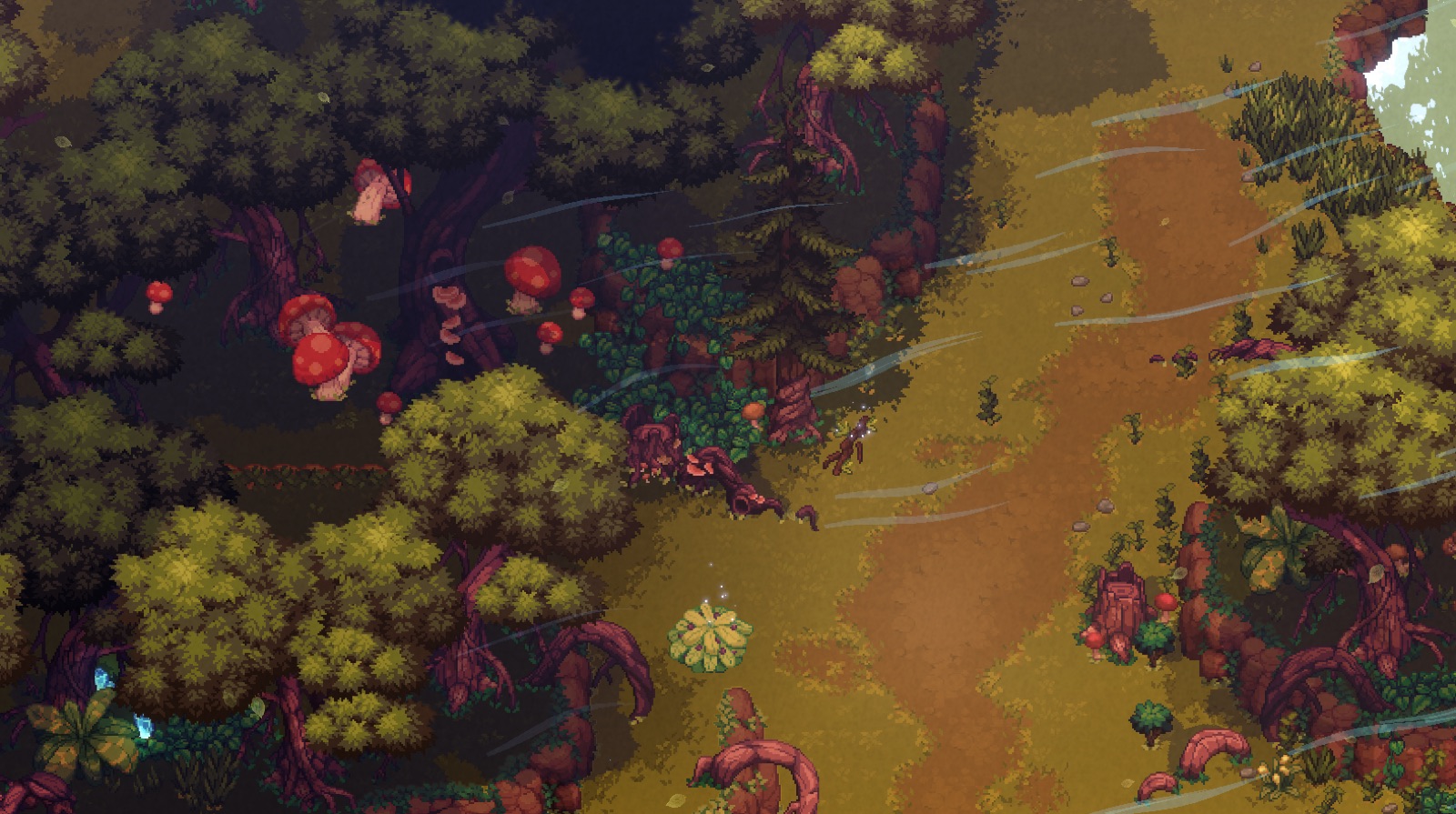
Money in Dimraeth is less a dedicated grind and more a by-product of systems you should run anyway: repeatable Deeds and Bounties pay scaling rewards, crafting keeps your potion supply funded, and food buffs stretch every loop further. This page separates what the official channels document about the economy from what the community is experimenting with, so you know which advice is load-bearing.
The officially documented income loops
Three economy mechanics are stated in Mudtek's own material, checked against build 0.107.7779:
| Mechanic | What the official source says | Why it pays |
|---|---|---|
| Deeds & Bounties | Bounties are a Deed content type for replaying bosses and tough encounters with scaling difficulty and rewards | The clearest repeatable reward loop — difficulty you can handle maps to loot you can sell |
| Food buffs | Food lasts around 30 minutes on average; boosts max health, concentration, stamina, regeneration, elemental resistances | Not money directly — but a 30-minute window covers a full farming loop, making every other source more efficient |
| Potions & cures | Health, concentration and stamina recover quickly through potions | The reason you keep gold: a steady potion supply is the documented craft priority for sustained combat |
The Deeds and Bounties pairing deserves emphasis because it solves two problems at once — it is both a progression system (our deeds explainer covers the definitions) and the game's designed answer to "where does repeatable income come from." If you like refighting bosses, the economy rewards you for it.
The crafting-to-gold loop
Potions are the hinge of the whole economy. Because the official notes frame quick potion recovery as the combat sustain tool, running dry mid-session is the real money leak — every death-by-starvation costs you a bounty attempt. The practical habit from the crafting guide: keep gathering runs and potion crafts ahead of your combat schedule, and sell the surplus materials you are not consuming. Eating before a loop, per the food-buff table above, stretches that loop's payoff window to roughly half an hour.
Community farming experiments
Beyond the official loops, the community is optimizing:
- Passive water wells. A popular Reddit route reports building around 20 water wells, which generate roughly 40 water per five minutes to sell as passive income while you do other things. This is a single-source community report — promising shape, but the rate and any cap have not been verified in-game, so budget your early materials accordingly. The farming guide and water guide cover the underlying production systems.
- Targeted loot selling. Community videos on getting the loot you actually want note that selling off near-miss gear from bounty runs compounds into a real income stream alongside the rewards themselves.
Version and evidence note
Official mechanics are quoted from Mudtek's announcements and store material, checked 2026-09-30 against build 0.107.7779. The water-well route and loot-selling figures are community reports from Reddit and YouTube during Early Access — single or few-source data points, pending in-game verification (tracked in our research gaps). Sell prices and drop rates are not published by Mudtek, so no fixed numbers appear on this page.
FAQ
What is the best way to make money early in Dimraeth?
The officially documented income loop is combat-adjacent: Deeds and the Bounty system pay repeatable rewards with scaling difficulty, and selling gathered and crafted goods funds itself. A popular community route — water wells generating sellable water passively — is promising but remains a single-source report, so treat it as an experiment, not a guarantee.
Are Bounties repeatable in Dimraeth?
Yes — Bounties are an official Deed content type announced by Mudtek, described as letting you replay bosses and tough encounters with scaling difficulty and rewards. That makes them the clearest repeatable income-and-loot loop in the game for players who enjoy refight.
Do food buffs last long in Dimraeth?
Official patch notes state food buffs last around 30 minutes on average and can boost max health, concentration, stamina, regeneration and elemental resistances. For farming sessions that is a meaningful window — one well-timed meal covers a full loop of bounties or a resource run.
Official sources
More in this category
Browse all →Dimraeth Base Building Guide: Sanctum, Station by Station
How base building works in Dimraeth: Faustas blueprint quests, the first workbench, storage chests, farms, the quarry, and a build order that works.
Dimraeth Controls: Keyboard, Mouse, Controller and Rebinds
Every Dimraeth control option in Early Access: WASD, right-click movement, full controller support, Steam Deck notes, and the settings worth changing first.
Dimraeth Farming Guide: XP, Deeds, Bounties and Events
What Dimraeth farming actually means: repeatable XP from deed quests, bounty board boss hunts, world events, respawning enemies, and sanctum rests. Level fast.
Dimraeth Gameplay Guide: Combat, Progression and Co-op Loop
What kind of game Dimraeth is, system by system: Souls-lite combat, XP-as-currency progression, resting and respawn rules, Deeds, and the 8-player co-op loop.
Dimraeth Guide: How to Start Strong in Early Access
The complete beginner's Dimraeth guide: pick a strong first race and class, survive the Lost Caverns opening, settle Earlwood, and spend your first skill points well.
Dimraeth How to Get Water: Every Reliable Source
How to get water in Dimraeth: craft it from your inventory, harvest it from slime-type enemies, and build a well at your sanctum. Every source, checked.