Dimraeth How to Heal: Flasks, Food, Spells and Resting
How to heal in Dimraeth: flask charges from tender berries, campfire rests, cooked food, alchemy potions, and heal spells. Every recovery option explained.
Last checked: 2026-09-17 · Facts on this page come from the sources listed above; anything unverified is marked as unconfirmed. Early Access details can change with each official patch.
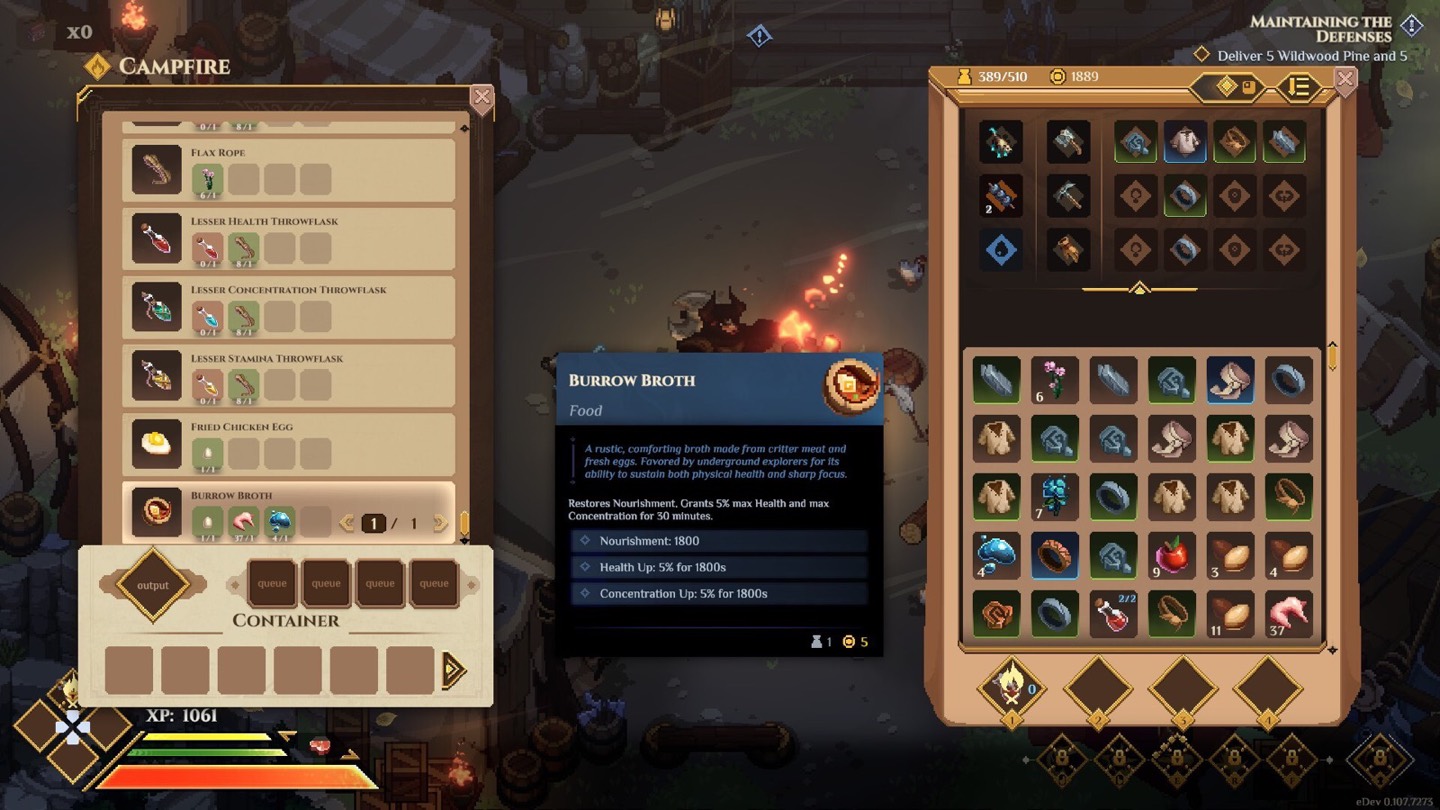
How to heal in Dimraeth revolves around one item and one habit: the health flask, and resting at campfires to refill it. The game deliberately avoids hard survival punishment — health regenerates on its own out of combat, death carries no experience loss — but in a fight, wounds add up fast, and bleeding enemies can tear through an unprepared character. This page covers every recovery option in the Early Access build, from flask upgrades to spells, so you can pick the mix that suits your archetype.
The health flask comes first
Your health flask is the healing backbone, and it works exactly like an Estus flask from Dark Souls: a limited number of charges, no purchasable refill, restored whenever you rest at a campfire. Community guides are unanimous on the implication — use charges freely, because hoarding them only gets you killed with a full flask. The flask is also upgradeable. Tender berries, scattered across the forest areas around Earlwood, add charges, and the requirements reportedly stay flat, so you can push the starter flask to its maximum of seven charges without much effort.
Two more details from community testing make the flask system generous. Seeds for the berries can be planted at your sanctum, turning a gatherable into a farmable crop, and the starter flask is eventually replaced by a stronger one as you progress, so early upgrades never feel wasted. If your charges run dry mid-dungeon, any campfire rest fixes it — at the cost of respawning every enemy you cleared.
Resting, regenerating, and retreating
Out of combat, health regenerates on its own, and community guides treat this as core to the pacing: after most ordinary fights, a short pause behind a rock restores you completely without touching your supplies. That regen is the reason players rarely trudge back to town — the game expects you to recover in the field, push on, and save the flask for emergencies.
Rest points structure the longer loop. Campfires fully heal you and refill charged consumables, and sleeping in your sanctum bed during the nighttime window reportedly adds overnight buffs on top. The rhythm becomes second nature: fight until hurt, clear space, let regen work, rest at a campfire when supplies run low, and plan your route so a campfire is never far away.
Consumables: food, potions, and bandages
Food is healing plus a buff. Cooking meals at your campfire or sanctum kitchen restores hunger and grants combat effects — community guides report percentage health boosts and other stat buffs strong enough that they recommend eating before every boss. Food slots into its own gauge and can auto-consume as hunger drains, making it a passive healing layer you maintain between fights rather than during them.
Potions come from the alchemy table. The community wiki documents ten brew recipes covering health, stamina, concentration, and utility, and early players report the table can also expand your flask's capabilities. Bandages round out the kit: streamers describe slapping one on mid-fight after accumulating bleed wounds. That matters because of Dimraeth's nastiest damage type — bleed. Wolves and other predators apply bleeding that saps health in chunks regardless of your level, and community guides consistently rank bleed enemies among the most dangerous regular mobs, so carrying bleed counters is its own form of healing.
Healing spells and supportive play
Magic offers the deepest healing options. The community wiki counts the game's spells across eleven elemental schools, and Heal is one of them. Your native tree may not include it — an elf shadow, for instance, has no innate healing — but spellbooks found in the world, dropped by bosses, or crafted at trainers can grant universal spells outside your archetype, which is how a solo build picks up supportive options. A "healing power" stat also exists on gear, so set bonuses and talismans can scale your recovery.
In co-op, healing becomes a team sport. Community guides report that downed players can be revived by teammates, which turns every group into its own support system and makes co-op dramatically more forgiving than solo play. If you are dying often, the fix may be positional rather than medical — the gameplay overview covers dodging, blocking, and the stamina rules behind most deaths, while the respec guide helps if your build itself is the problem. The guide hub links the rest, including how to save your progress before a risky expedition.
FAQ
How do you heal in Dimraeth?
Your main tool is the health flask, which works like an Estus flask: limited charges that refill when you rest at a campfire. Community guides also report automatic out-of-combat regeneration, healing through cooked food and alchemy potions, and Heal-school spells learned from spellbooks.
How do you upgrade the health flask in Dimraeth?
Community guides report that tender berries, gathered across the forest areas or grown from seeds planted at your sanctum, add flask charges — up to a maximum of seven for the starter flask. The requirements stay flat, so upgrading early is easy and makes a huge difference.
Does health regenerate automatically in Dimraeth?
Yes. Players report that health regenerates fully out of combat, which means a retreat and a short wait can replace a potion after most normal fights. In combat, you rely on flasks, consumables, and spells.
Official sources
Related guides
Browse all →Dimraeth Base Building Guide: Your Sanctum, Station by Station
How base building works in Dimraeth: Faustas blueprint quests, your first workbench, storage chests, farms and the quarry, co-op base rules, and the build order that works.
Dimraeth Controls: Keyboard, Mouse, Controller and Rebinds
Every Dimraeth control option in Early Access: WASD, right-click movement, full controller support, Steam Deck notes, and the settings worth changing first.
Dimraeth Farming Guide: XP, Deeds, Bounties and Events
What Dimraeth farming actually means: repeatable XP from deed quests, bounty board boss hunts, world events, respawning enemies, and sanctum rests. Level fast.
Dimraeth Gameplay Guide: Combat, Progression and Co-op Loop
How Dimraeth gameplay fits together in Early Access: the combat loop, XP-as-currency progression, resting, deeds, and the day cycle, explained system by system.
Dimraeth Guide: How to Start Strong in Early Access
A practical Dimraeth guide for the Early Access opening hours: race and class picks, the Lost Caverns start, Earlwood, skill trees, and the loops that matter.
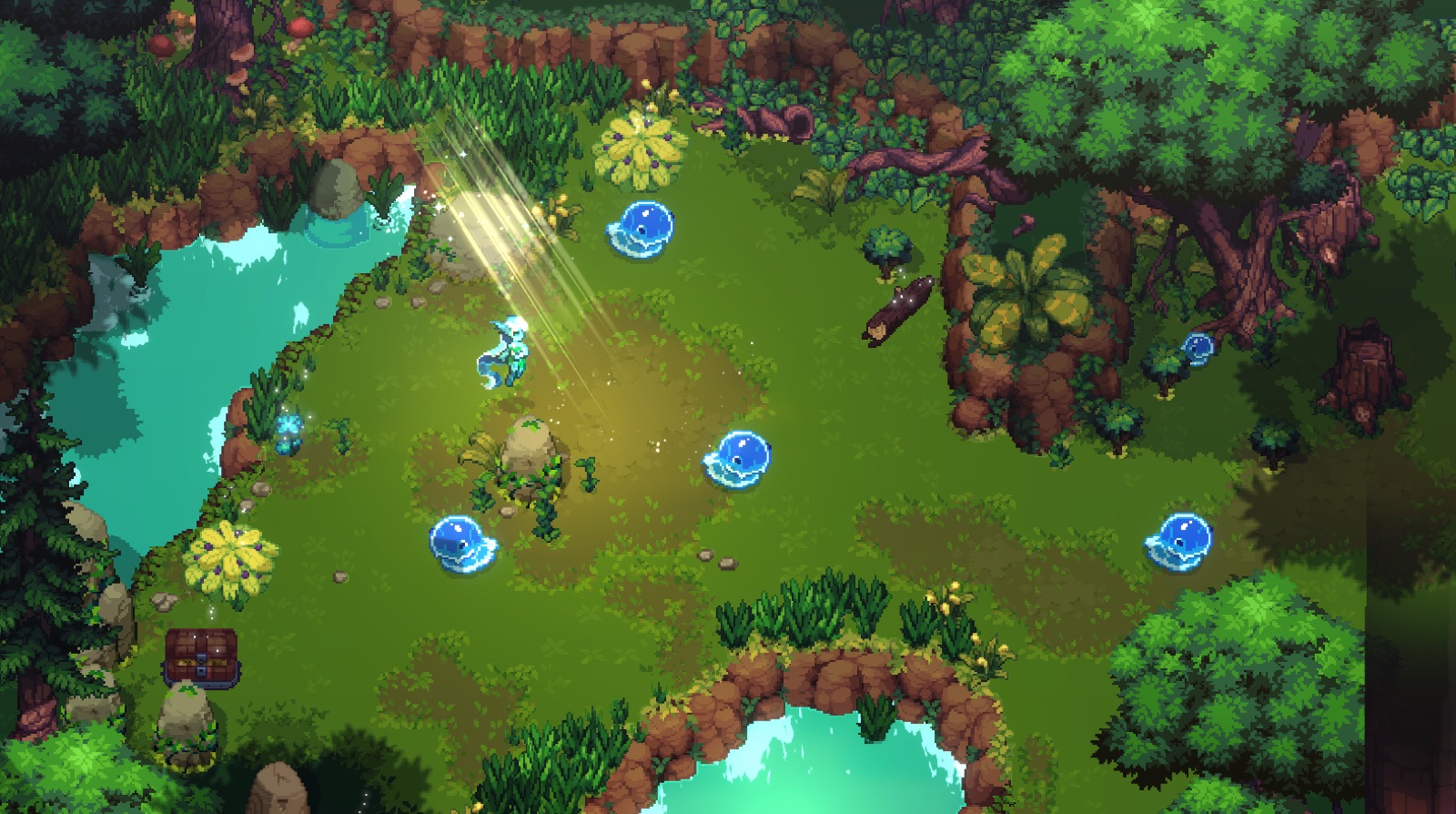
Dimraeth How to Get Water: Every Reliable Source
How to get water in Dimraeth: craft it from your inventory, harvest it from slime-type enemies, and build a well at your sanctum. Every source, checked.